Earrings are among the oldest forms of jewelry, with a rich history that spans thousands of years. They have been worn by various cultures around the world, serving not only as adornments but also as symbols of identity, status, and artistry. This article delves into the fascinating journey of earrings, exploring their historical significance, diverse styles, and how they have adapted to modern trends.
A Historical Overview of Earrings
The origins of earrings can be traced back to ancient civilizations. Archaeological discoveries suggest that earrings were worn by men and women in various cultures, from the Egyptians to the Greeks and Romans. In ancient Egypt, earrings made from gold and precious stones were symbols of wealth and power. They were often elaborate, featuring intricate designs and hieroglyphics, reflecting the artistic mastery of the time.
In the Roman Empire, earrings became a popular accessory among both genders, often made from gold and adorned with gemstones. These pieces were not just decorative; they signified social status and affluence. Over time, the use of earrings spread across different cultures, adapting to local customs and aesthetics.
Types of Earrings: A Spectrum of Styles
Today, earrings come in an incredible variety of styles, materials, and designs. Let’s explore some of the most popular types:
1. Stud Earrings
Stud earrings are a timeless classic, characterized by their simple design where the earring sits directly on the earlobe. They can be made from various materials, including gold, silver, or even gemstones. Studs are versatile and can be worn for any occasion, making them a staple in many jewelry collections.
2. Hoop Earrings
Hoop earrings are circular in shape and can vary in size from small to large. They have a playful and bold aesthetic, often associated with cultural significance in various communities. For example, in Latin American cultures, large hoop earrings are a popular fashion statement that reflects cultural pride and heritage.
3. Dangle Earrings
Dangle earrings are designed to hang below the earlobe, often featuring intricate designs and embellishments. These earrings can vary in length and are perfect for adding drama and flair to an outfit. Dangle earrings are often chosen for special occasions, as they can enhance formal wear and add an element of sophistication.
4. Chandelier Earrings
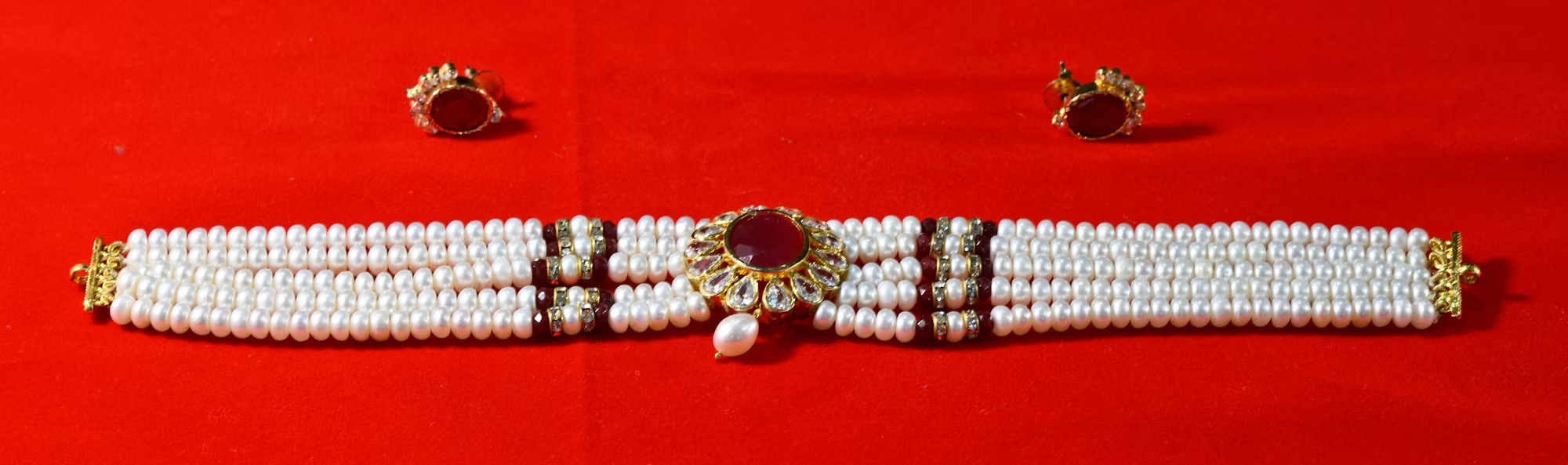
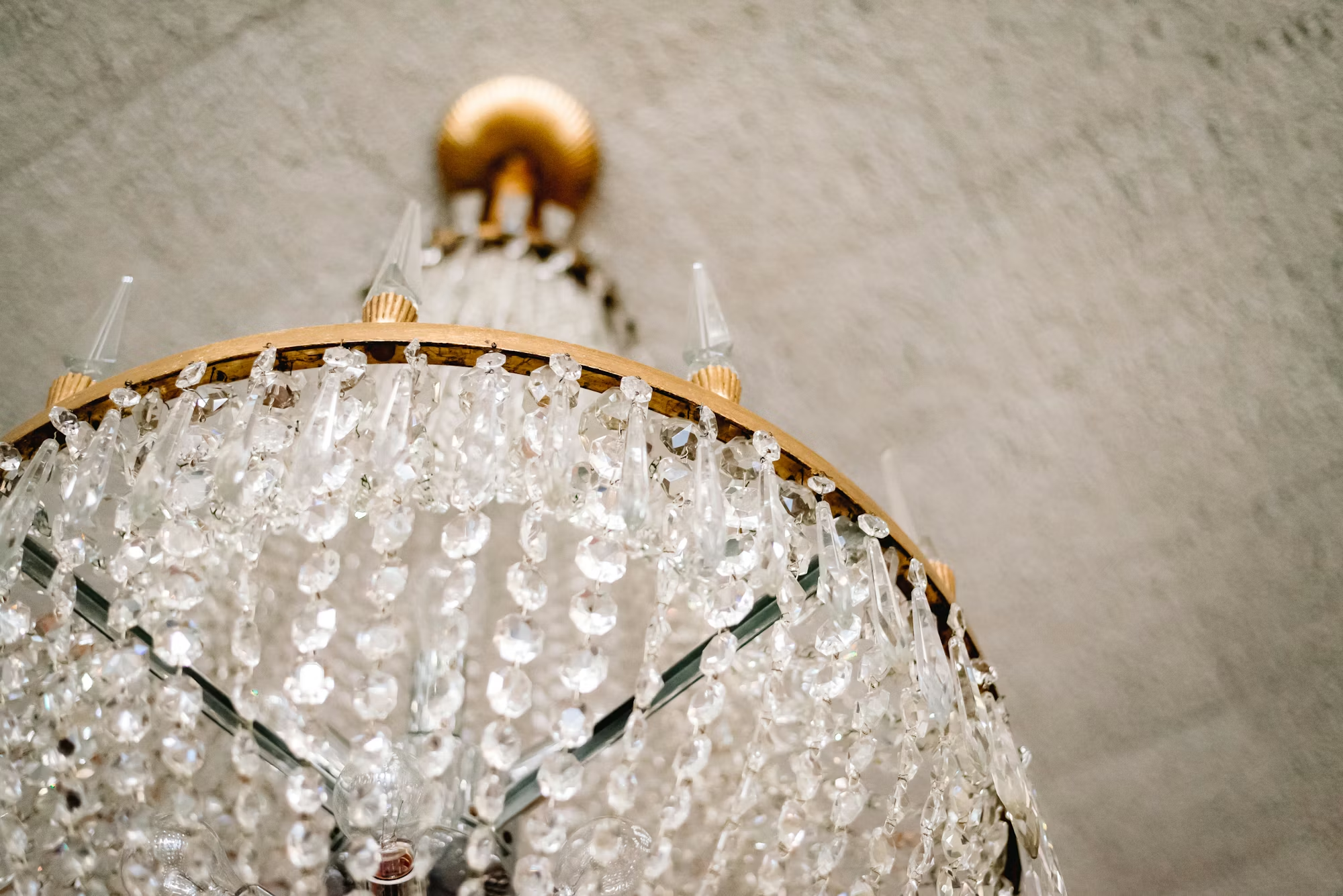
Chandelier earrings are elaborate pieces that resemble a chandelier, often adorned with beads, crystals, or intricate metalwork. They are designed to catch the light and draw attention, making them a favorite for formal events and celebrations. Chandelier earrings reflect the artistry and craftsmanship of their makers, often becoming the centerpiece of an outfit.
5. Ear Cuffs
Ear cuffs have gained popularity in recent years, offering a modern twist to traditional earrings. These pieces wrap around the outer ear and can be worn without requiring a piercing. They come in various designs, from minimalist styles to intricate patterns, allowing for a unique expression of individuality.
The Cultural Significance of Earrings
Earrings hold profound cultural significance across different societies. In many cultures, they symbolize rites of passage, such as coming-of-age ceremonies. For instance, in some African cultures, the act of piercing ears is a ritual that signifies maturity and identity. Earrings worn during these ceremonies often reflect cultural motifs and traditions.
Furthermore, earrings are often used to convey messages about personal beliefs and values. In certain communities, specific types of earrings may signify marital status or social standing. This cultural significance adds depth to the wearing of earrings, transforming them from mere accessories to powerful symbols of identity and heritage.
Contemporary Trends in Earrings
As fashion evolves, so do the trends in earrings. Today, many individuals embrace unique designs and personalization in their jewelry choices. Custom-made earrings, featuring initials or symbols that hold personal meaning, have become increasingly popular, allowing wearers to showcase their individuality.
Sustainability is another emerging trend in the jewelry industry. Many designers are now focusing on eco-friendly practices, using recycled materials and ethically sourced gemstones. This shift reflects a growing awareness of environmental impact and a desire for responsible consumerism.
Caring for Your Earrings
Proper care and maintenance are essential to preserve the beauty and longevity of earrings. Different materials require specific cleaning methods. For example, gold and silver earrings can be polished with a gentle solution to prevent tarnishing, while gemstone earrings may need special care to maintain their luster.
It’s also important to store earrings properly. Keeping them in a soft-lined jewelry box or individual pouches can prevent scratches and tangling. Regularly checking for any signs of wear, such as loose stones or bent hooks, ensures that earrings remain in excellent condition.
Conclusion: The Enduring Charm of Earrings
In conclusion, earrings are more than just decorative accessories; they are a reflection of culture, history, and personal expression. From their ancient origins to modern trends, earrings continue to captivate and inspire. With their diverse styles and cultural significance, they allow wearers to connect with their identity while enhancing their individual style. As we celebrate the artistry behind earrings, we recognize their enduring charm and the stories they tell through time. Whether worn daily or reserved for special occasions, earrings remain a timeless symbol of beauty and self-expression.